
Song essay / Mann Kasturi Re · Masaan
What is the musk deer looking for in “Mann Kasturi Re”?
Deepak and Devi live beside a river to which other people bring their dead. This song asks where the two of them can take what they carry.
By Abhishek Mishra · In Other Words
The meeting of the rivers
Masaan moves towards a confluence long before its two young people get into a boat together. Think about who Deepak and Devi are when the film begins. One helps prepare the dead for their passage. The other has a question about life and desire she dares to act on. Both inhabit a city full of answers about what people should do. The song needs a way of describing a search whose destination those instructions cannot supply.
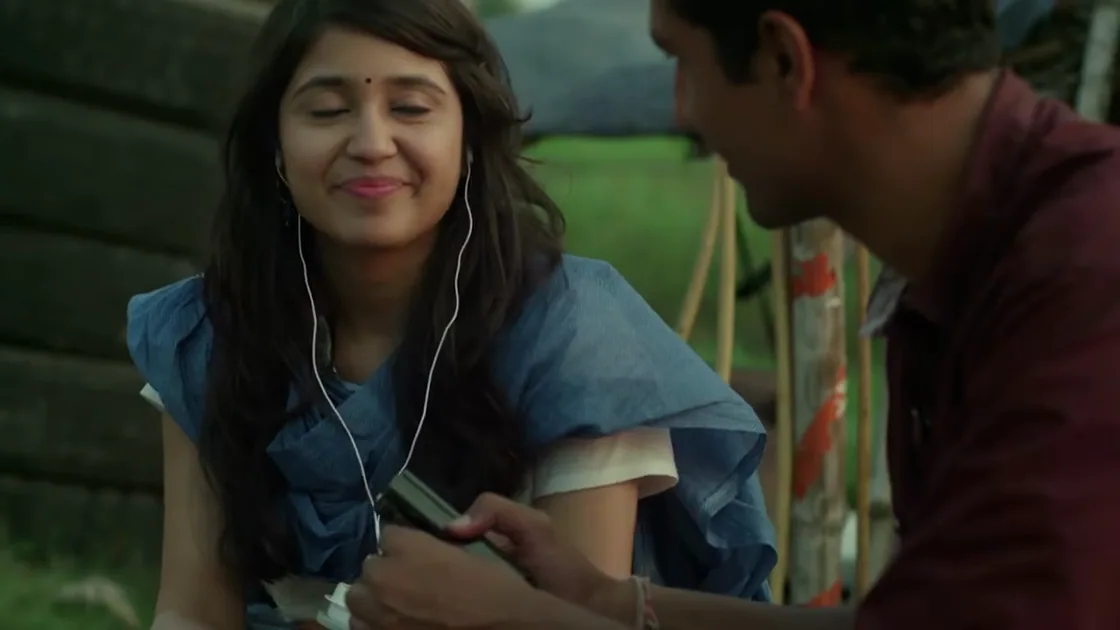
An animal following its own scent
The musk deer searches for the source of a fragrance it carries in its own body. Set that image beside jag dastoori, the world of customs and ways things are done. A person can learn an enormous amount about the rules and still never get close to the source of the longing. The film makes this painfully concrete at the ghats. People need the work Deepak’s family does and still consider themselves entitled to judge the family who do it.
Watch from 2:46 ↗Who releases the person tending the fire?
Deepak’s hands help other families perform a rite of release. Who would perform an equivalent service for him? Devi faces another version of the question. Other people’s rules about a young woman and desire follow her far beyond the room where she met Piyush. The song can bring these two people together without pretending that caste and the policing of a woman’s sexuality are identical experiences. Each has been given somebody else’s account of who they are.
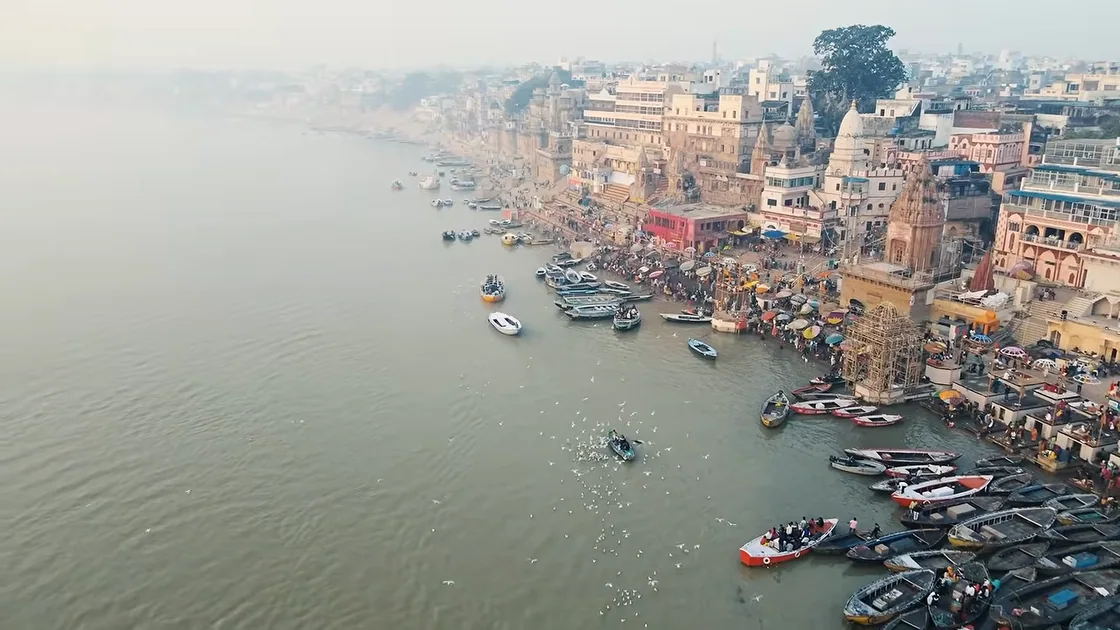
Sentences the dead never get to finish
Listen to the line about a conversation and a night that doesn’t come to completion. Shalu and Deepak had more to say. So did Piyush and Devi in that lodge room. Imagine the unfinished conversation between Piyush and his parents. The film keeps leaving us with survivors who have nowhere to deliver the next line. That is part of what makes it so hard for Deepak to relinquish an object Shalu once wore.
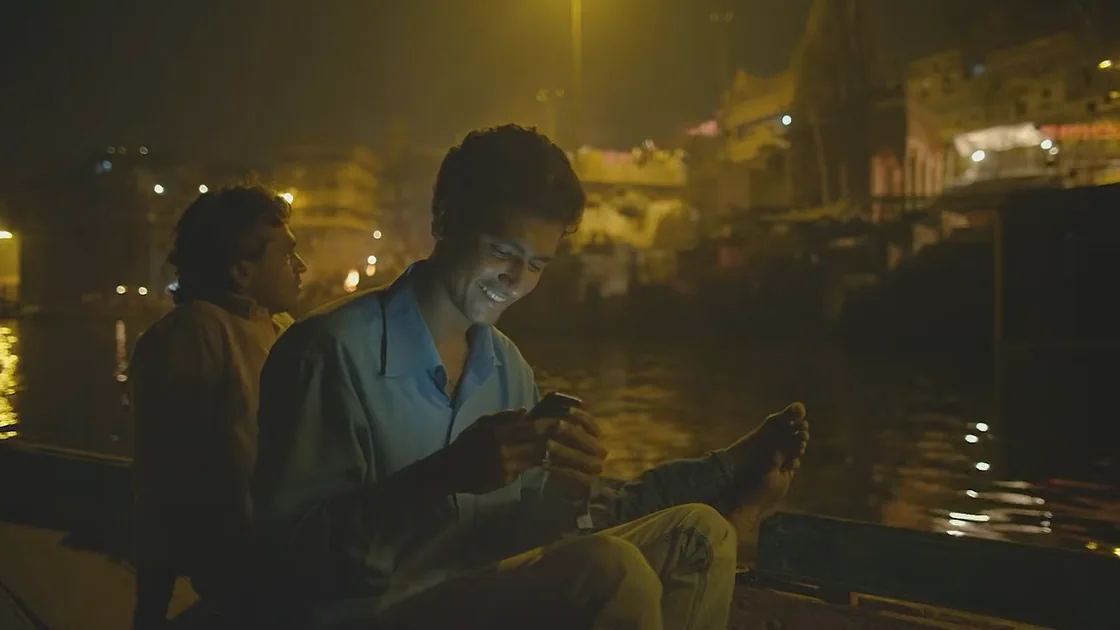
A cloth, a loose verse and a flower
The cloth in Kabir’s poetry gives the video a way to think about a life that can be worn, marked and torn. The song then imagines scattered verse that resists the neat closure of a couplet. Watch Deepak after he dives for the ring. The lotus in front of him drifts on while he is still looking at it. For once, an image can pass before his eyes without requiring a completed explanation or an act of possession.
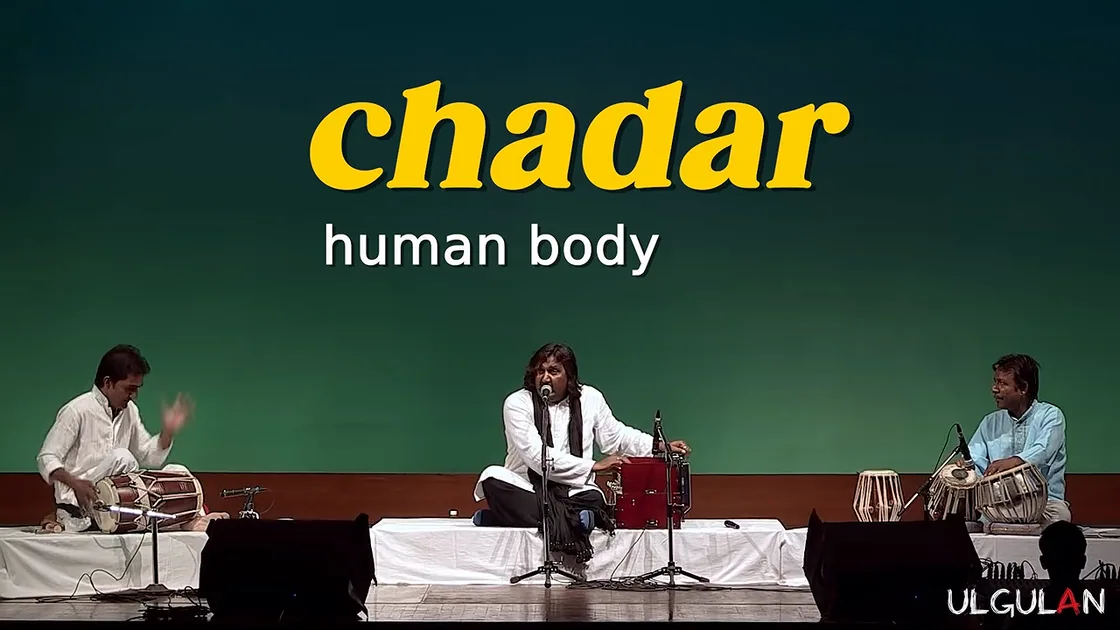
What the years teach the eye
Counting years is easy. Understanding what has happened to the people around you while you were counting is harder. The last movement asks what our elders can hand on and what each pair of eyes still has to discover. The world Deepak sees after the river holds the same father, the same work, the same possibilities for study. His changed relation to them gives the song an ending that can keep unfolding after the boat reaches the Sangam.
Watch from 13:29 ↗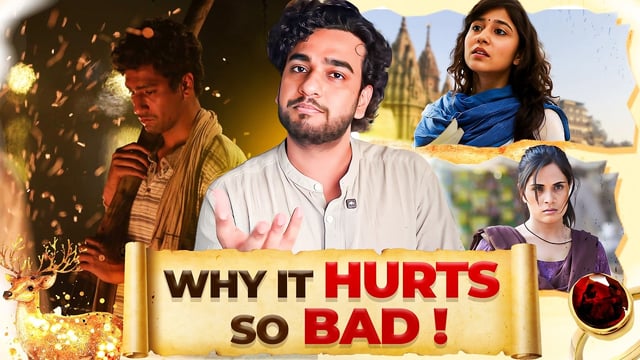 Original In Other Words videoWatch the complete Mann Kasturi Re analysis ↗