Film essay / Tamasha
Where does Tamasha hide Ved before he finds his voice?
Look to the edge of the mirror, to the school belt in a myth and to the hands that come into view before the storyteller’s face.
By Abhishek Mishra · In Other Words
The child in one side of the mirror
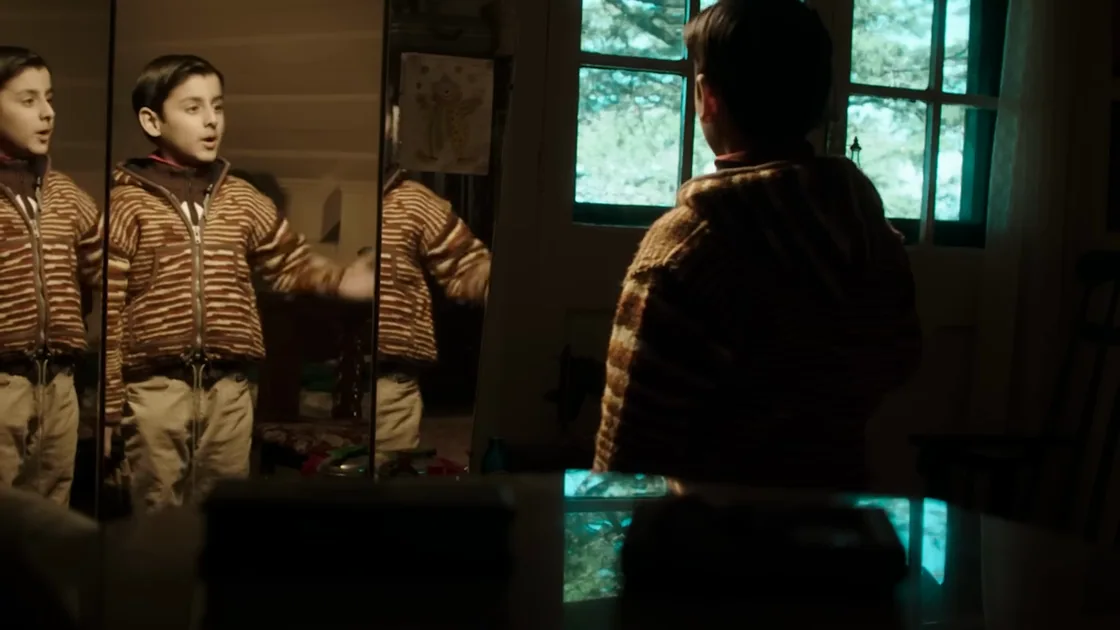
Two Veds can occupy a single image without the film having to invent a second character. Watch which side of the mirror younger Ved speaks from. The childhood self remains partly out of view as the polite, competent adult takes possession of the visible world. Meeting Tara matters because she has known him under different rules. In Corsica, nobody requires the boy on that side of the mirror to give his proper name or job.
Where the jacket comes off
Track Ved from the outside world into his room. Each threshold permits a small change in posture, costume or voice. The black jacket is especially telling after the café. It takes little time to put on the clothes in which the world recognises you. It takes a much longer conversation with a father to say that the person he recognises may be somebody his son has been playing.
Watch from 3:43 ↗A storyteller enters hands first
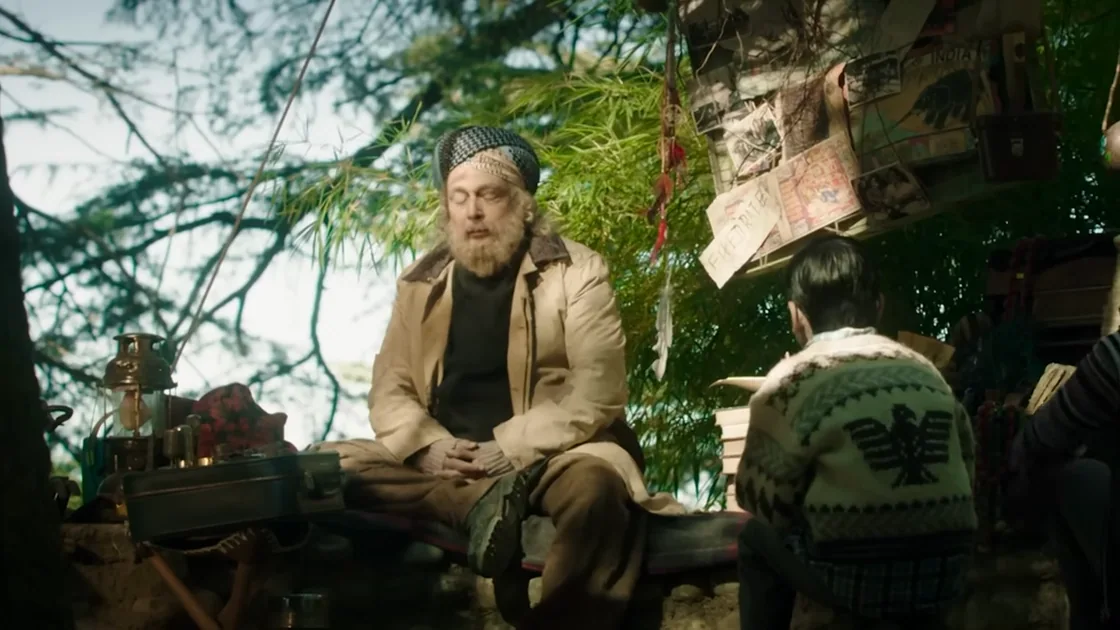
Look at which part of a storyteller the film introduces before the face. Hands can summon an entire cast from empty air. The child can bring them to school too. In his imagination Ram speaks in grand phrases and wears a Bishop Convent belt. Sita can have more than one face. The borrowed detail is the point. Young Ved is already doing what a storyteller does for a living, making an old story out of the people and objects nearby.
How a week makes a machine
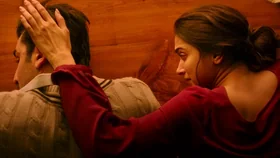
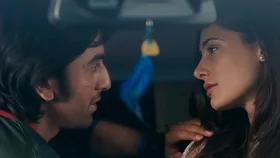
Shimla and its open sky can be left behind in a single farewell. Delhi needs repetition. Watch the presentations and the rhythms of the working week. The satisfaction of reaching Friday depends on accepting everything that has happened since Monday. Ved is capable of getting good at this performance too. When a gesture or the sound of a touch from Corsica breaks through, Tara catches sight of the person she remembers and the danger of asking him to appear on demand.
Watch from 6:45 ↗What the audience finally sees onstage
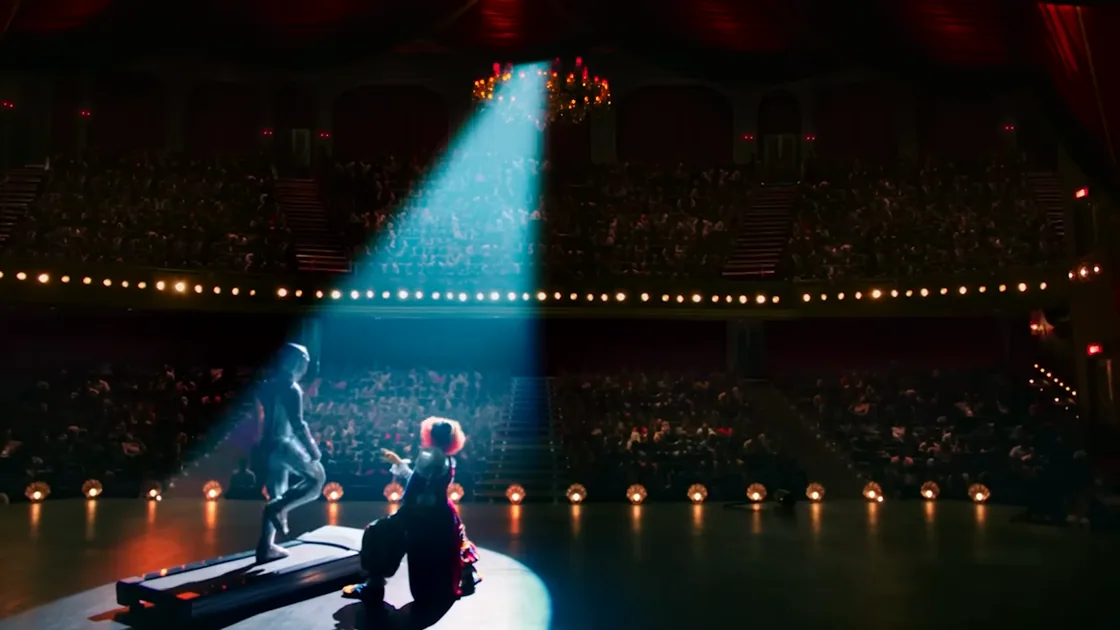
The big show gathers material the film has been quietly teaching us to recognise. Compare the performance with an office presentation. Both use an audience, a speaker’s body and a rehearsed sequence. The great difference for Ved is who gets to write it. The café gesture can be returned, embarrassing childhood material can be used, and a patch of private imagination can occupy a public stage.
Why Ved would read Catch-22
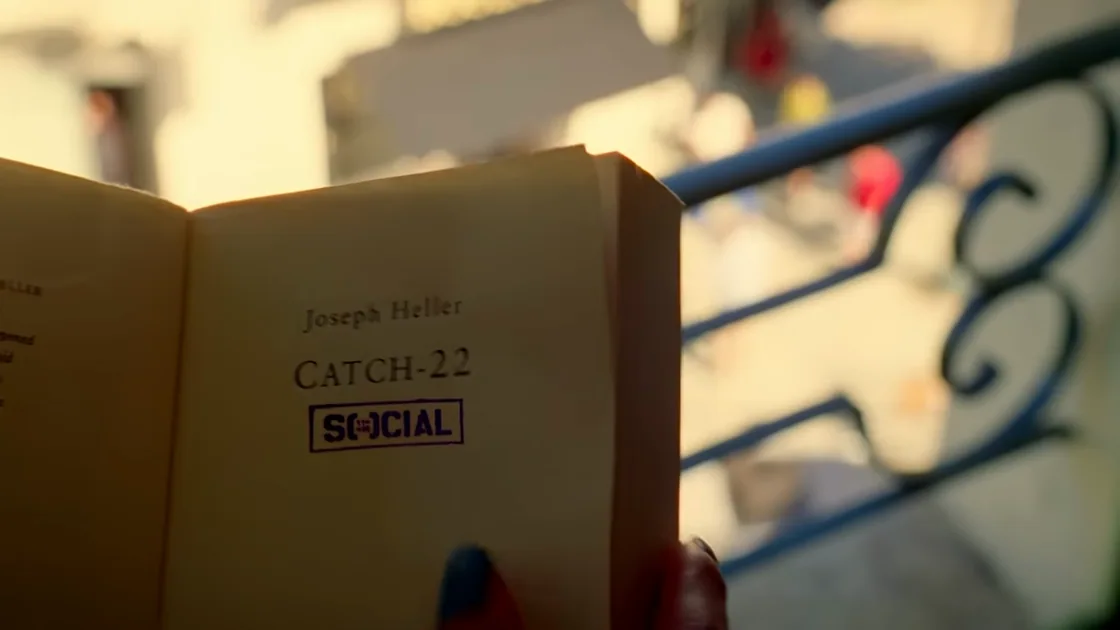
A book helps send Ved to Corsica. Its impossible predicament makes a particularly good travelling companion for somebody caught between security and the work he wants. A job can supply the means to live and take the very hours in which he hoped to do the living. By the end, the mirror is worth revisiting. A child spoke from its edge all along. The adult has finally made enough room for an audience to hear him.
 Original In Other Words videoWatch the complete Tamasha analysis ↗