
Song essay / Kabira · Yeh Jawaani Hai Deewani
What does “Kabira” ask of a man who has crossed seven seas?
Listen to Bunny’s wedding song alongside “Ilahi” and the father who gave a traveller something to carry.
By Abhishek Mishra · In Other Words
A child who already knows departure
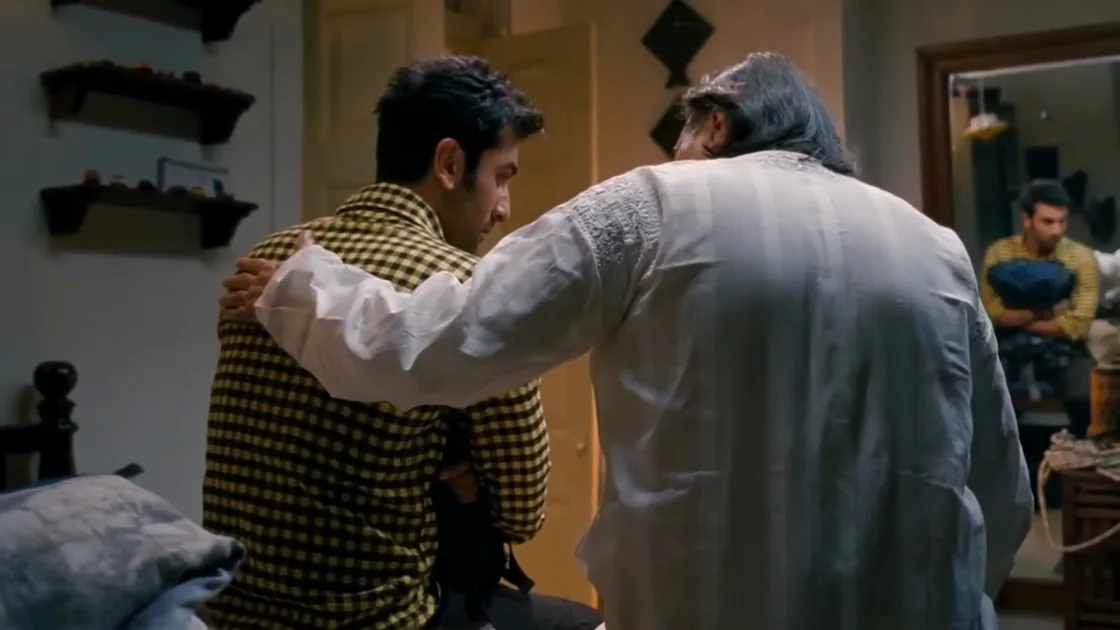
Bunny lost his mother young. Keep that earlier departure in mind when he describes the attractions of a life spent going places. He has learned that someone can disappear even from the safest home. His father doesn’t answer his plan with an order to stay. He gives him a bag. It is a beautifully practical expression of love. It will go wherever Bunny goes, including the places from which he forgets to call.
The bright days and the tunnel nights
“Ilahi” lets us see why Bunny chose travel. Daylight, new work and the excitement on his face make a convincing case. Stay with him when night falls and he holds the bag against his chest. Near the beginning of “Kabira”, look at the lights going out behind him. The image is beginning to make a tunnel. One song has supplied the other with a way of showing loneliness even in a room full of people.
Seven seas, and a thirst left over
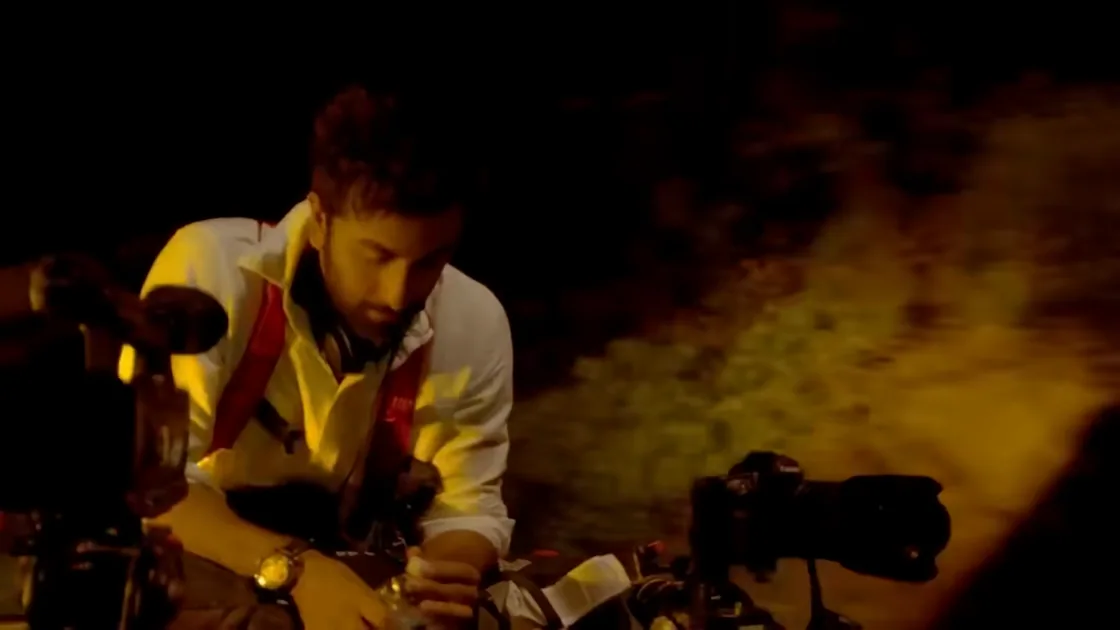
The traveller has collected an extraordinary range of experiences in eight years. Why invoke dryness after all that water? Look at what happened to Avi and Aditi while Bunny was away. The knowledge acquired on his travels hasn’t taught him what his friend needs in the middle of a quarrel. Calling him a fakir gives the lyric two possibilities to hold together. A man may have renounced possessions. He may also have come back terribly poor in time spent with people he loves.

The father who let him go
Try hearing the song from the position of somebody who stayed behind. His father could delight in how high Bunny flew and still miss the boy at night. That generosity is easy to accept and difficult to repay once the giver is gone. It also complicates the accusation of selfishness. Loving someone can mean helping him make a choice that is going to hurt you. The bag survives as evidence that someone did exactly that.
Watch from 7:39 ↗What a wedding remembers
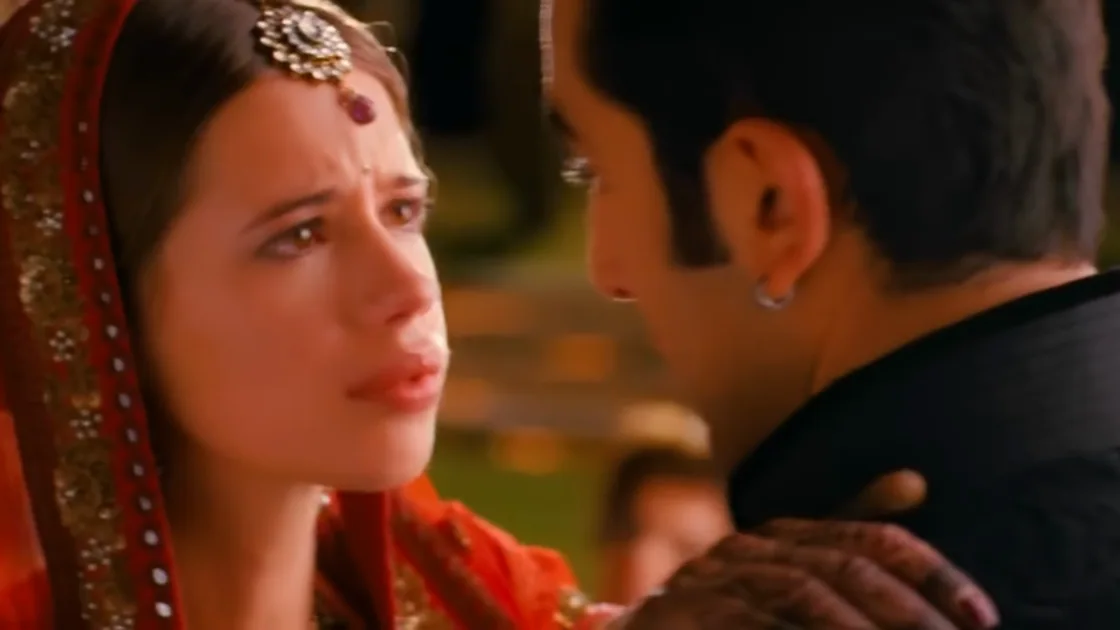
At Aditi’s wedding the farewell belongs to more than one person. She has made a life with Taran, Avi has watched it take shape, and Naina has spent years learning what Bunny looks like when he leaves. The song’s homely images of food, water and the old surroundings answer the open road with things somebody once prepared for you. By the time Bunny looks at Naina, staying can be an active choice. The traveller has finally been offered a question as interesting as where to go next.
 Original In Other Words videoWatch the complete Kabira analysis ↗