
Song essay / Pasoori
Why does a love song like “Pasoori” sound as if it’s casting a curse?
Ali Sethi hears a line on the back of a truck. In a courtyard full of neighbours it becomes a dispute about who gets to meet whom.
By Abhishek Mishra · In Other Words
A journey that can no longer be made
In the interview excerpt Ali Sethi remembers being able to travel in India and the closing down of possibilities he had taken for granted. Hold on to that feeling when the song turns to a lover who said they would come and didn’t. There can be a whole political history inside an apparently private complaint. The two people need only be on opposite sides of a line drawn by somebody else.
Watch from 1:51 ↗The dancer in the opening image
Watch the first frame before following the singers. The dancer is Sheema Kermani. The original video puts her account of working as a cultural activist beside that image, so you can see what it means to give a practising dancer such a place of honour. Look too at Ali’s clothes, which suggest both inherited forms and something you might see on a runway. The film has already started putting things together that people like to keep apart.

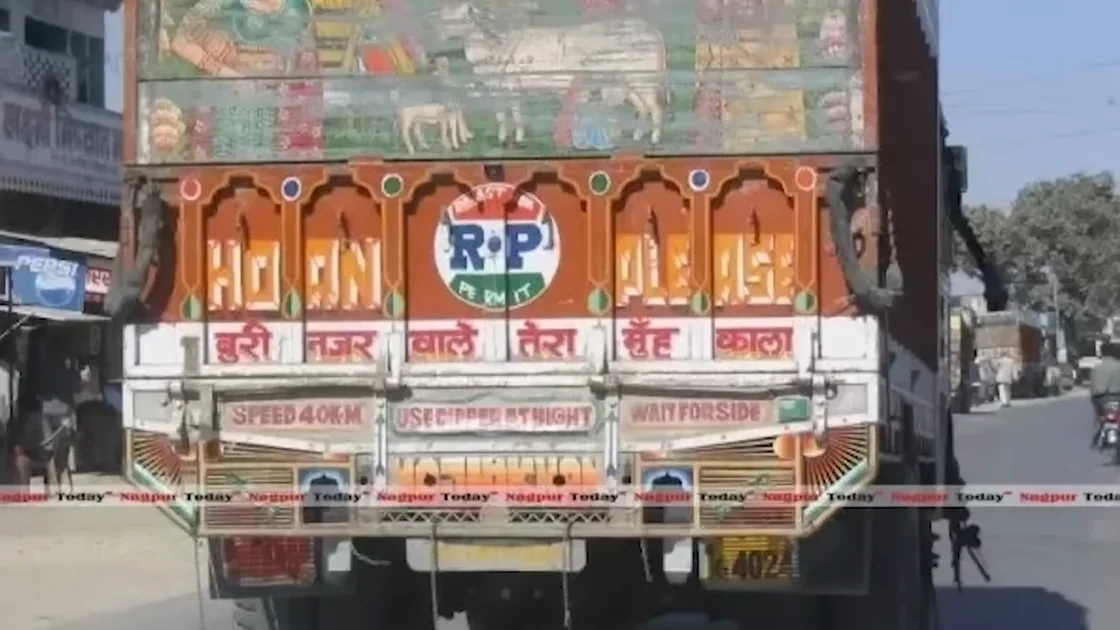
What someone wrote on the back of a truck
Ali recalls driving back towards Lahore and seeing the phrase that would become the opening on the back of a truck. A curse aimed at the constraints keeping people apart is a marvellously portable beginning. Pasoori holds a tangle of meanings around difficulty, complication and mess. The set proposes an answer in bricks and doorways. Separate rooms open onto a common courtyard where neighbours can come out, see each other and play.
The visitor who hasn’t arrived
If a meeting were poison, the singer would still drink it. A missed visit leaves enough space for the heart to make a tremendous noise. Then the food in the lyric makes the imagined guest quite tangible. Ghee and churi are things a person might actually prepare and share. Across a forbidden border, even that ordinary hospitality can become extravagant to imagine. This is why the anger in the opening can sit so close to tenderness.
Watch from 6:43 ↗Who is the curse for?
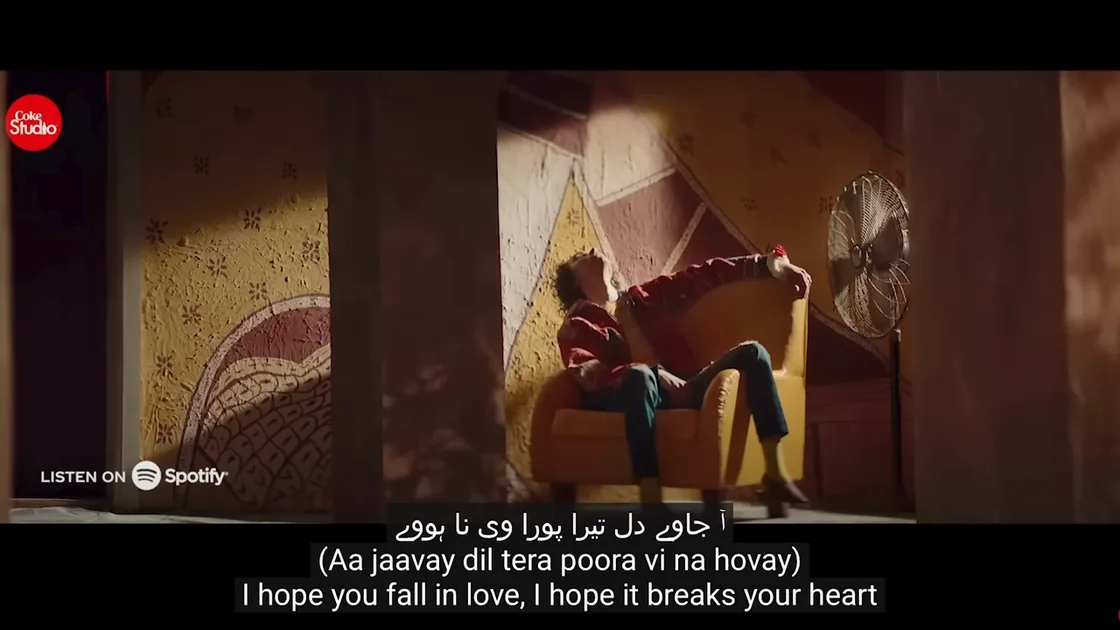
Listen again when the words seem to wish the beloved a heart that will never feel complete. Why would a lover want that for someone? One answer is that the singer aches for the feeling to run both ways. Let the other person experience what it is to have an absence in the middle of the day. It is a strange kind of prayer, made sharper because it retains some of the sting of the curse.
Who gets to sing which part?
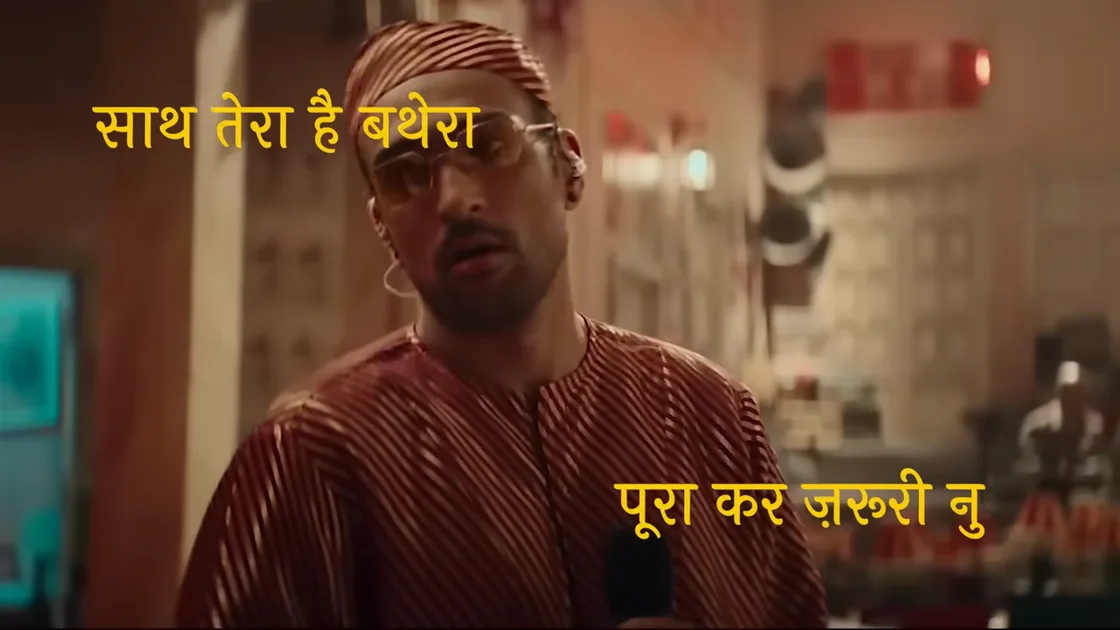
Folk lovers are often allotted different kinds of speech. One is allowed to rail against the world. Another waits, longs and offers to make a sacrifice. Here the voices, the costumes and the dancers keep complicating those assignments. The invitation to cross over and make a world together brings us back to the courtyard. Imagine enough doors opening onto it, and the complaint painted on a passing truck begins to sound like a wish people could share.
 Original In Other Words videoWatch the complete Pasoori analysis ↗