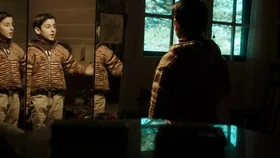
Song essay / Patakha Guddi · Highway
How does “Patakha Guddi” give Veera room to move?
A sweet paan, a length of cloth, a kite and a tree carry Veera farther than a simple declaration of freedom could.
By Abhishek Mishra · In Other Words
How many people live at one address?
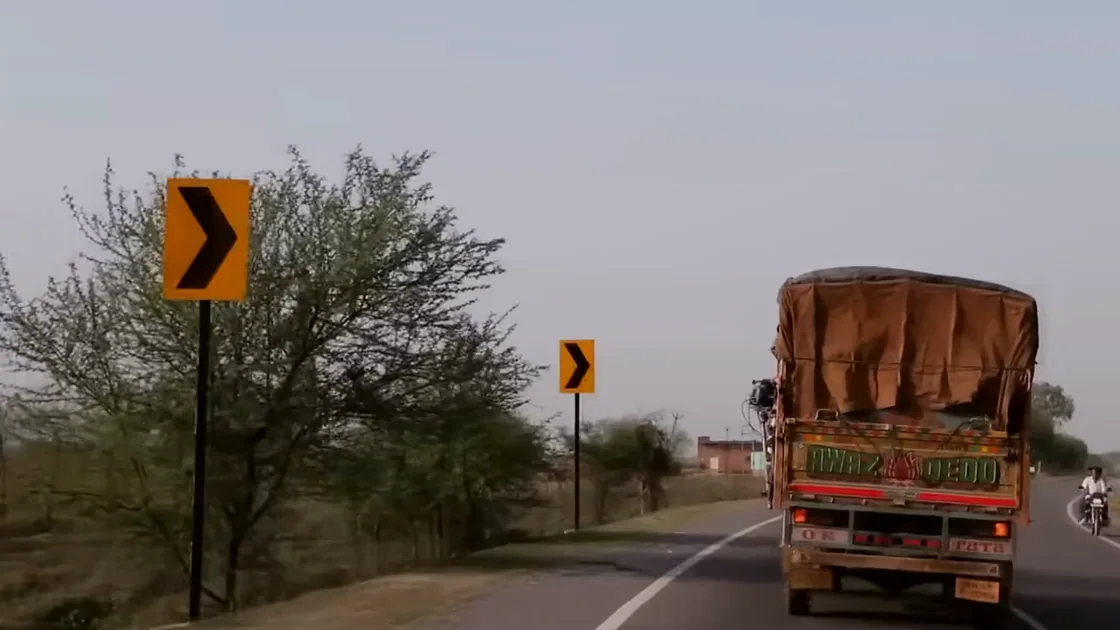
Count the versions of yourself other people call into being in a day. Someone’s child, employee, friend, neighbour. Each relationship knows how to draw a different voice out of you. From outside, Veera seems to have everything at home, including a settled idea of who she is. The highway puts her among people who have never met that girl. Listen for what enters her voice when there is nobody present to remind her of her part.
A journey in the first mouthful
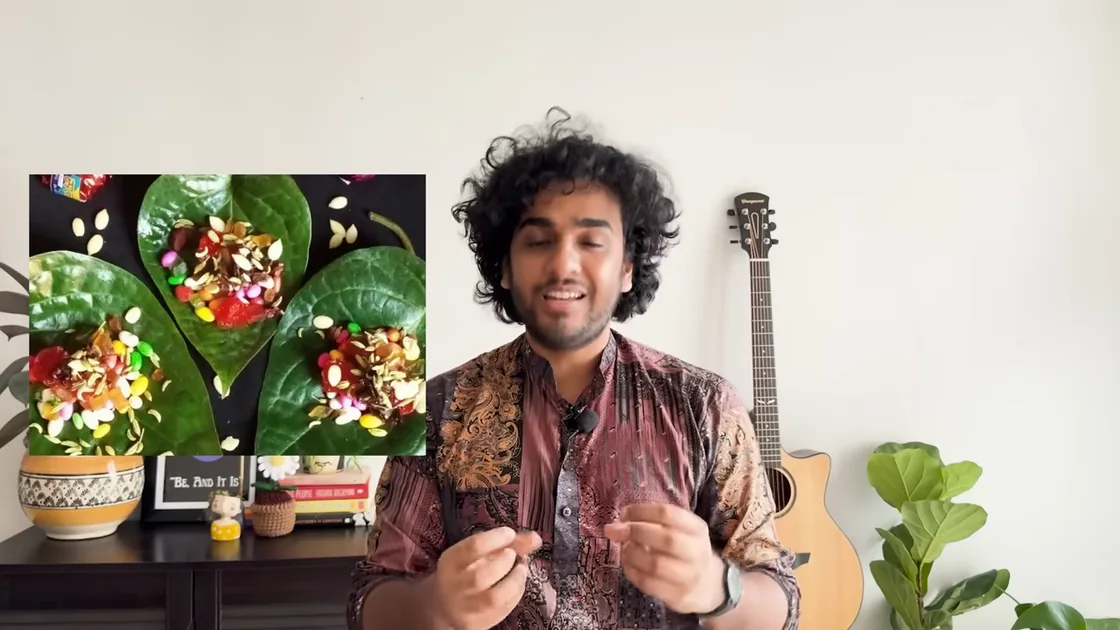
Irshad Kamil could have told us that Veera was like a breath of fresh air. Instead there’s a folded gilori of sweet paan. You have to imagine the ingredients, the folding, the taste and even the fragrance it leaves with somebody else. The song travels from that sensory image to a flowing cloth associated with Lahore and on through other places. Its language is already on the road before Veera has worked out where she wants to go.
The river and the travelling Jugni
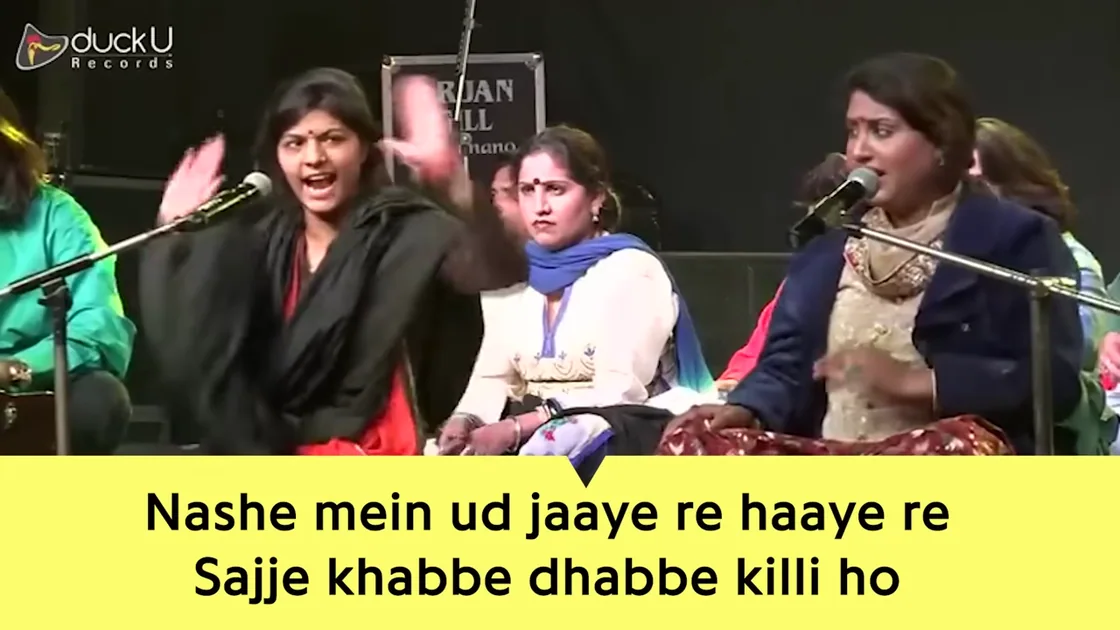
A river moves across a landscape differently from a person going from one prescribed address to another. The Ganga becomes one way of seeing Veera in motion. Jugni offers another, carrying a rich folk history in a word a contemporary listener may have sung for years. The video follows one telling of how Jugni travelled from village to village with performers. Hear the word as something people have carried, adapted and sung in new places, much as this song travels with Veera.
Watch from 4:43 ↗Who gets to call her their own?
The words about seed and plant place Veera within a much larger living world. The invocations of Rab, saints and Ali loosen the family’s exclusive claim over their Guddi. Now hear the Punjabi sense in which a guddi can be a kite. The girl someone could treat as a doll has the whole sky in which to move. Even the instructions to go right, left or ahead have the physical energy of someone taking the controls of a vehicle.
A tree that can get through a wall
Jugni stands like a peepal. Give a shoot a little moisture and it can emerge from a wall people assumed was solid. Set that image beside the terms families use to police girls, the dangers they invoke and the intentions they attribute to anyone who steps outside. A tree grows by following its own nature. By the time the song gives Veera that image, travel has given her time to recognise an impulse which was hers even at home.
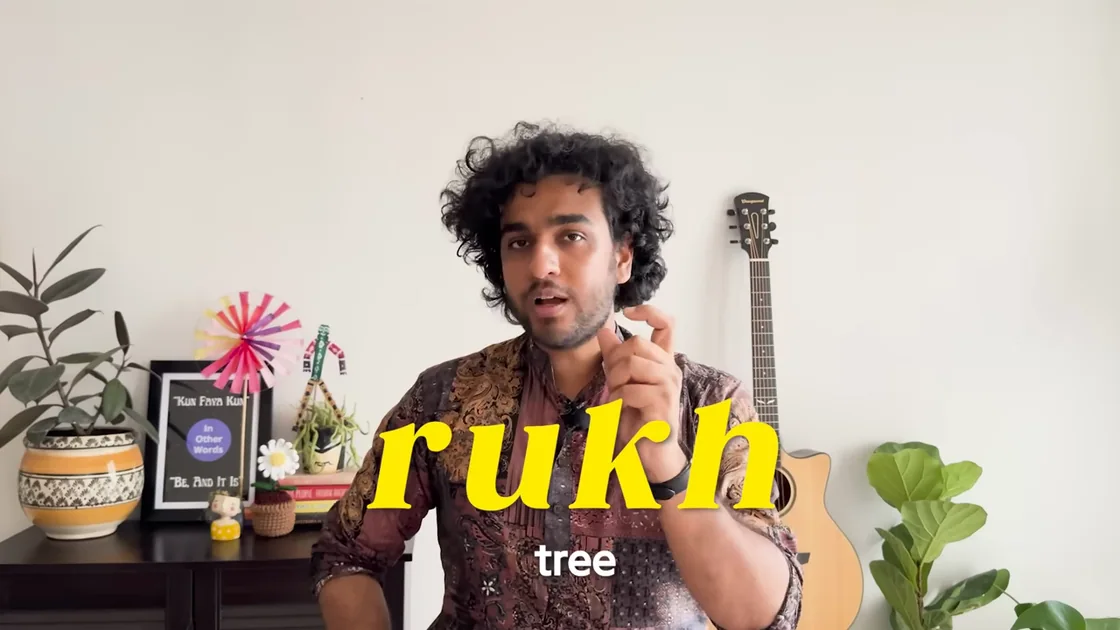
 Original In Other Words videoWatch the complete Patakha Guddi analysis ↗