Song essay / Ik Bagal · Gangs of Wasseypur
What can a parent do with the moon in “Ik Bagal”?
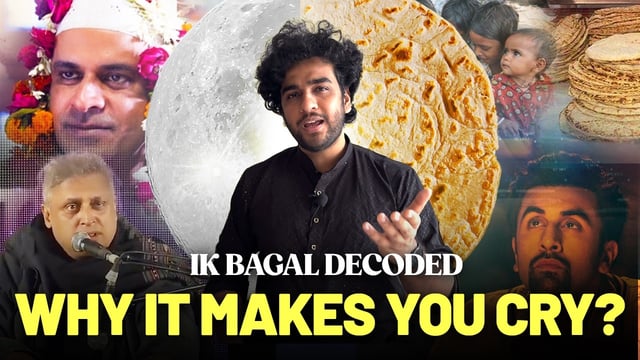
A roti and the moon have the same shape. Piyush Mishra’s lullaby asks what that resemblance is worth to a hungry child.
By Abhishek Mishra · In Other Words
The argument at the dinner table
There’s a conversation with my father behind this reading. How much room does a person who has to earn a living really have for art and dreams? It is tempting to let one side win before listening. Food is necessary. So is the thing that makes a life worth getting up for tomorrow. The song finds a way to let these claims sit beside each other. It gives each of them a shape a child can draw.
Two circles in the same line
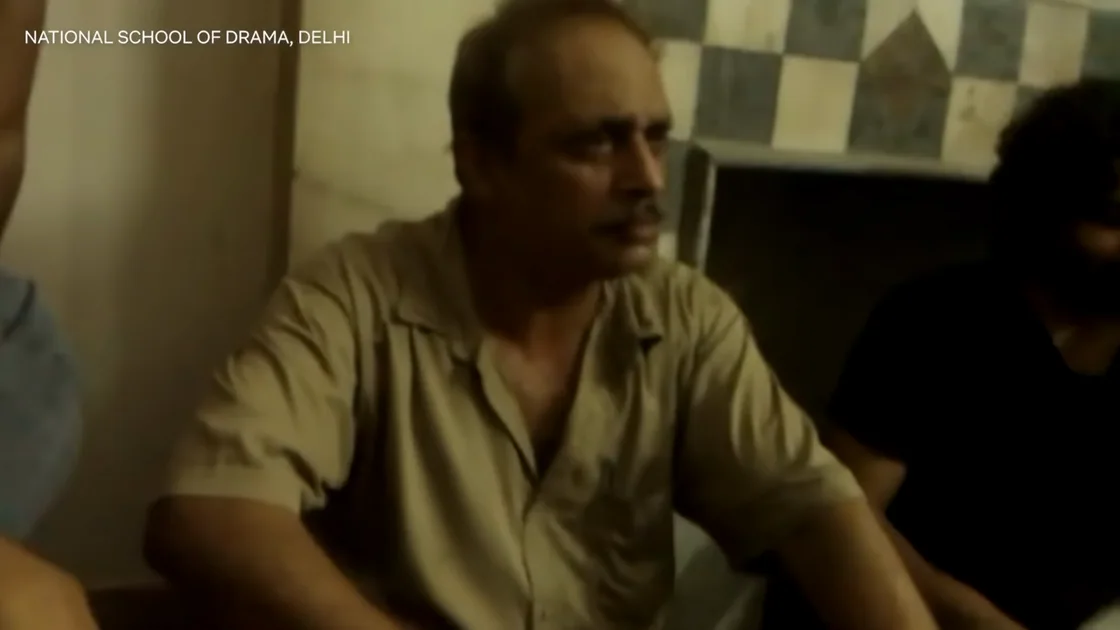
A roti on one side, the moon on the other. Piyush Mishra’s delivery lets you see the resemblance before you feel the cruelty of it. A hungry person can reach for one circle. The other stays out of reach however beautifully it shines. Yet it matters that the lyric gives them equal room in the line. Imagine a parent looking first at a child and then up at that second, tantalising circle.
What to use as a sheet
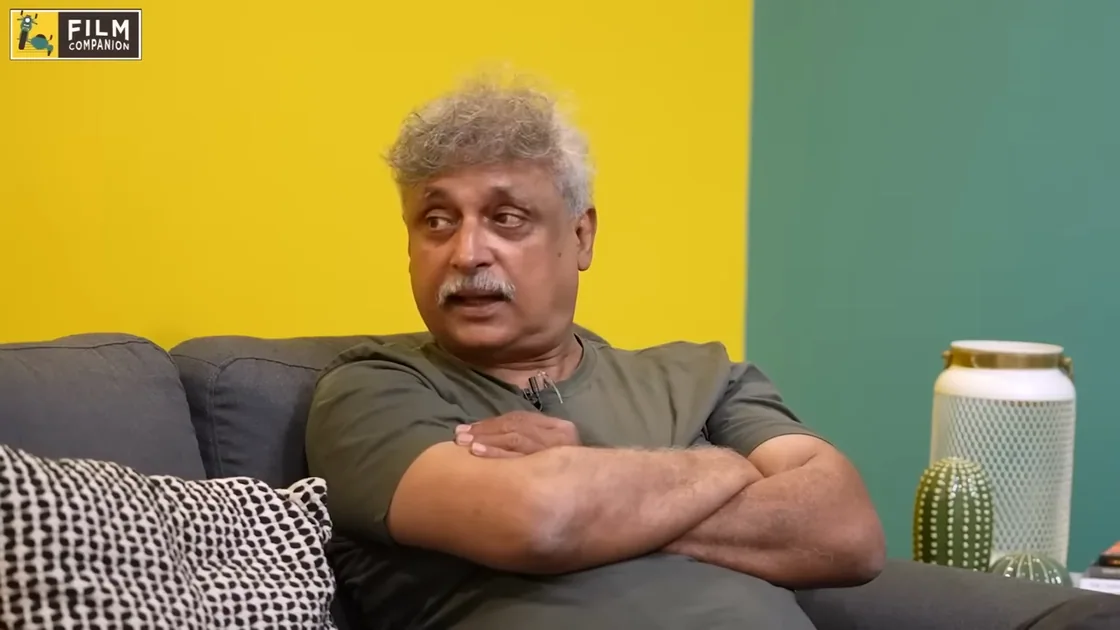
The lullaby separates things we tend to put together. There’s the song you sing a child, and there’s the sleep that may or may not come. There’s something to look at and something to eat. When the roti becomes a sheet to draw across the moon, those categories get wonderfully mixed up. A parent can interrupt the sight of the dream for a night. Morning will still bring the question of breakfast.
The grown-up who used to be that child
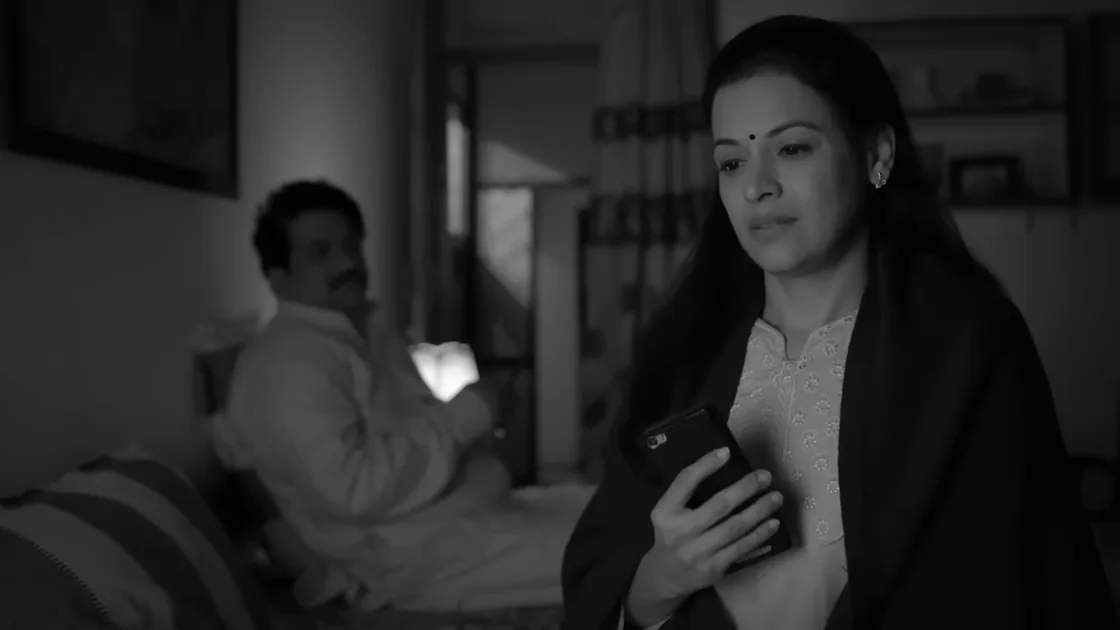
Now listen from the other side of the bed. The person inventing reassurances also had a childhood and a moon once. Dreams can get postponed in increments too small to feel momentous at the time. A shell, a coin, a star offers a child another small thing to treasure. For the grown-up behind the offer, each substitution also buys a little time in which to conceal fear.
Watch from 7:30 ↗The last thing you can laugh at
The conversation returns to a limit neither bread nor art can negotiate away. Death gives the moon another meaning. There is a peculiar defiance in imagining that you might laugh when you meet it. That laugh does nothing to fill the child’s stomach, but a song sung in the face of such fear is itself an act somebody can perform tonight. Perhaps that is why a parent would keep singing.
 Original In Other Words videoWatch the complete Ik Bagal analysis ↗